By Mateo de la Garza | Luxury & Travel
Two months after the World Cup, Mexico City has enough distance from the spectacle to ask a better question than “Was it a success?” What actually changed?
For five weeks this summer, Mexico City operated at tournament speed.
Hotels filled on match days. Airports moved unusually large volumes of international passengers. Restaurants, retail, transportation and entertainment businesses chased a temporary surge in demand. Fans who arrived for football spilled into museums, neighborhoods, bars, markets and parts of the capital that rarely appear on a first-time visitor itinerary.
Now the banners are coming down and the useful data is arriving.
The early answer is more interesting than either a victory lap or a disappointment narrative: the World Cup delivered a major tourism and spending event for Mexico City, but some national economic results came in below pre-tournament expectations.
The post-World Cup numbers
Mexico’s Tourism Ministry reported 4.4 million travelers in Mexico City during the tournament period and 25.865 billion pesos in tourism spending. Deloitte, using a different economic-impact methodology, estimated US$548 million in value added for Mexico City — below its own pre-event projection.
Mexico City got the crowds
According to Mexico’s federal Tourism Ministry, the capital received 4.4 million travelers during the World Cup period: about 2.5 million excursionists and 1.9 million tourists who stayed overnight.
The ministry estimated tourism spending in Mexico City at 25.865 billion pesos, up 41% from the comparable period in 2025. Among overnight visitors, it said 68% stayed in hotels and 32% used digital accommodation platforms.
Hotel demand was especially concentrated around matches. Across the three Mexican host cities, average hotel occupancy during the five tournament weeks was reported at 66%, rising to roughly 85–90% on match days.
Those are substantial numbers. But they tell only one version of the story.
The event was big — just not as big as some forecasts
Deloitte’s post-tournament analysis offers a useful counterweight to the official tourism totals because it measures economic value differently and compares actual results with projections published before the event.
Its July assessment estimated a national 2026 economic impact of US$2.543 billion, about 7% below its earlier forecast. It also estimated roughly 494,000 tourists came to Mexico specifically because of the World Cup, significantly below its pre-event estimate of 836,000.
For Mexico City, Deloitte calculated approximately US$548 million in value added, around 35% below its earlier projection for the capital.
That does not contradict the government’s 4.4 million traveler figure. The two measurements are answering different questions. One counts broad travel activity in the host city during the event period; the other tries to isolate economic impact and tourism attributable to the tournament.
For readers, that distinction matters. Mega-events can create enormous activity without every visitor, hotel night or restaurant bill being caused by the event itself.
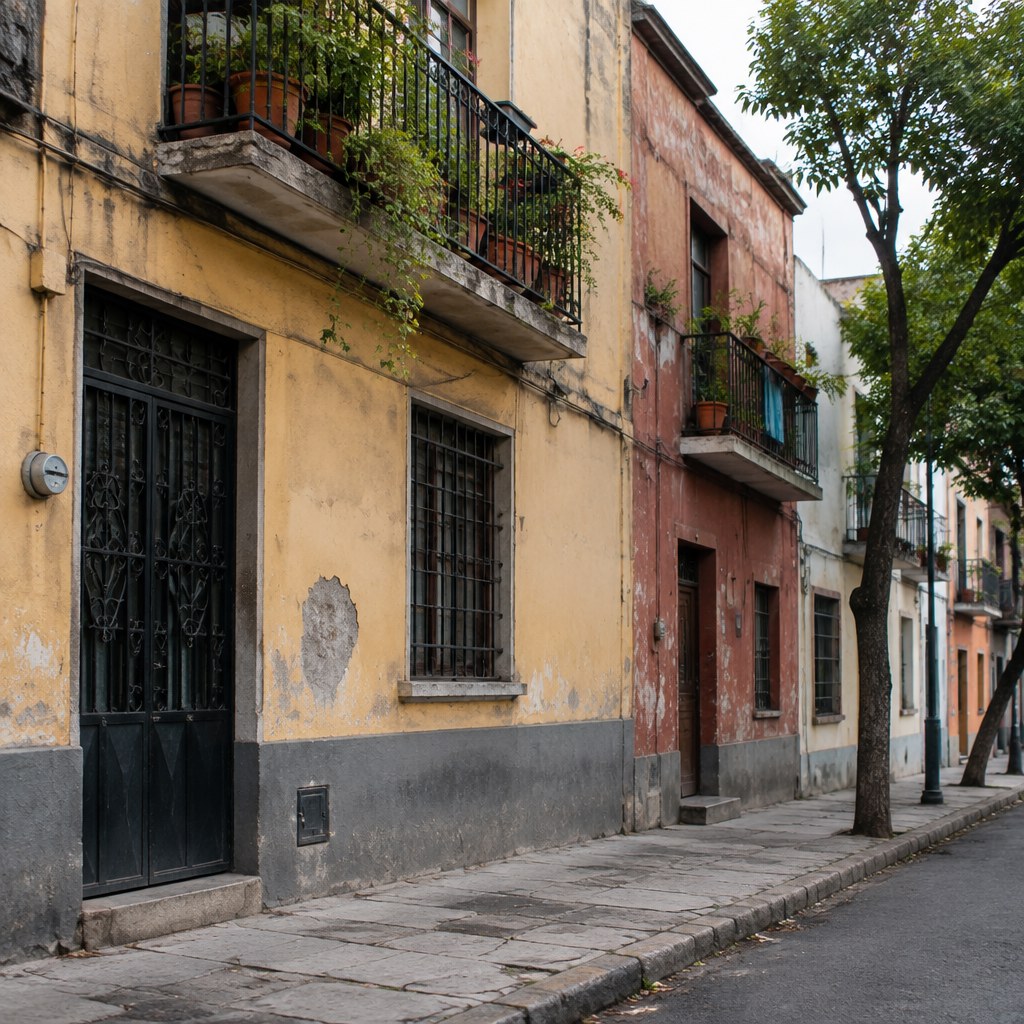
The most interesting change may have happened outside the usual tourist map
The legacy story I would watch most closely is not hotel occupancy in Polanco or dinner reservations in Roma Norte.
It is what happened farther out.
Mexico City’s tourism authorities say international visitor spending rose sharply during the tournament in boroughs that normally receive far less international tourism attention. El Universal, citing the city’s Second Government Report, reported international tourist consumption rising 124% in Xochimilco, doubling in Tlalpan and Iztacalco, tripling in Tláhuac and Iztapalapa, and quadrupling in Milpa Alta.
Those percentages come from much smaller tourism bases than Roma, Condesa or Polanco, so they should not be interpreted as those areas suddenly surpassing the city’s established visitor districts.
But they do show something valuable: major events can change where visitors are willing to go.
For years, Mexico City tourism has been compressed into a remarkably small geographic story for international travelers. The tournament forced a wider map into view.
The airport numbers also moved
June data offer another sign of how unusually international the tournament period became.
The Tourism Ministry reported that foreign tourist arrivals through AICM increased 10.6% compared with June 2025, while arrivals through AIFA rose 53%.
Mexico also saw notable increases in air arrivals from markets including Japan, Colombia, South Korea and Brazil during the month.
That matters because one of the harder tourism questions after a global event is whether a destination reaches audiences beyond its usual feeder markets.
Getting those visitors once is the event. Getting them back is the legacy.
Will they actually return?
This is where the data become softer.
Mexico City Tourism Secretary Alejandra Frausto told El Universal that 93.5% of surveyed visitors said they intended to return to the city. She also cited preliminary indicators suggesting 27% intended to book again in the second half of 2026 and 61% in 2027.
Those are encouraging figures, but intentions are not bookings.
Mexico’s federal Tourism Ministry clearly understands the challenge: in July it launched a campaign built around the message “Vinieron por el Mundial, volverán por México” — they came for the World Cup, they will return for Mexico.
The success of that idea will not be measurable in a press conference. It will show up in future hotel nights, airline traffic, repeat visits and whether travelers explore beyond the places they already know.
What actually remains?
The World Cup’s most useful legacy may not be a single infrastructure project or a single economic number.
It may be a changed perception of scale.
Millions of visitors experienced Mexico City during one of the most globally visible moments in its modern tourism history. Businesses learned how concentrated demand behaves. Airports and transportation systems absorbed unusual volumes. Neighborhoods outside the traditional tourism core gained exposure. And the city collected a new set of data about where visitors went and what they spent.
For travelers planning a post-World Cup trip, that is good news. The city does not need to be experienced as an event venue anymore.
Use our complete transportation guide to move beyond the center, our neighborhood-by-neighborhood hotel guide to choose a base, and our Fall 2026 events guide to see what has replaced the tournament calendar.
The verdict is still being written
Two months is enough time to measure spending. It is not enough time to measure legacy.
The clearest conclusion so far is that Mexico City proved it could absorb an extraordinary tourism surge — and that the benefits traveled beyond the most familiar visitor neighborhoods.
At the same time, Deloitte’s lower-than-forecast estimates are a reminder that pre-event economic projections deserve scrutiny once the crowds leave.
The real test comes next: whether the city turns a five-week global spotlight into years of repeat travel.
That story is only beginning.
Quick answers
How many travelers visited Mexico City during the 2026 World Cup?
The federal Tourism Ministry reported 4.4 million travelers in Mexico City during the tournament period, including 1.9 million overnight tourists.
How much tourism spending did the World Cup generate in Mexico City?
The Tourism Ministry estimated 25.865 billion pesos in tourism spending in the capital during the event period. Deloitte separately estimated US$548 million in value added using a different economic-impact methodology.
Did World Cup tourism reach beyond Roma, Condesa and Polanco?
Yes. City tourism data reported strong percentage increases in international visitor spending in boroughs including Xochimilco, Tlalpan, Iztapalapa, Tláhuac and Milpa Alta.
Sources & further reading
- Mexico Tourism Ministry: World Cup tourism and spending results
- Deloitte: post-World Cup economic impact analysis
- Mexico Tourism Ministry: June international air arrivals
- El Universal: tourism spending beyond traditional visitor districts
- Mexico Tourism Ministry: post-tournament return-visitor campaign