CDMX Neighborhood Guide

Find your place in Mexico City.

From the museum-lined avenues of Polanco to the café culture of Roma Norte, the plazas of Coyoacán and the canals of Xochimilco, Mexico City is best understood one neighborhood at a time.

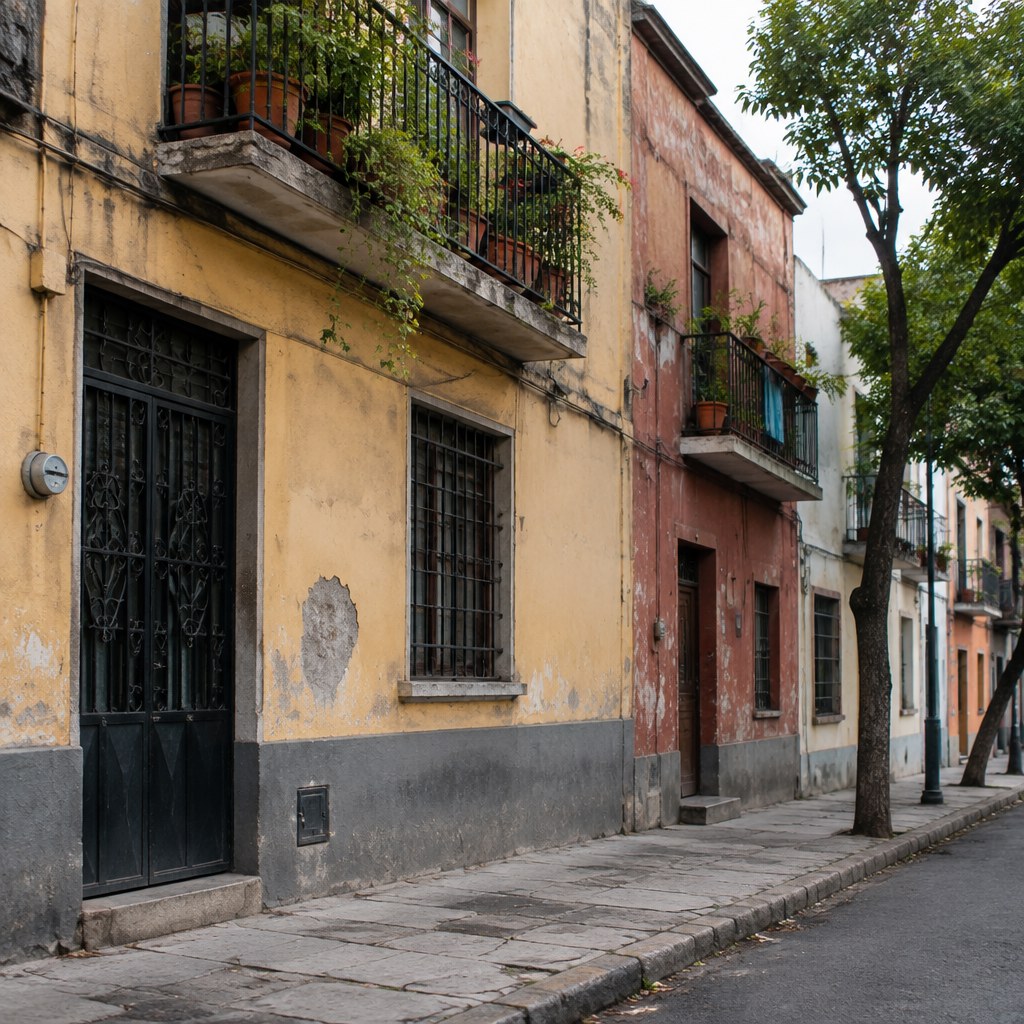
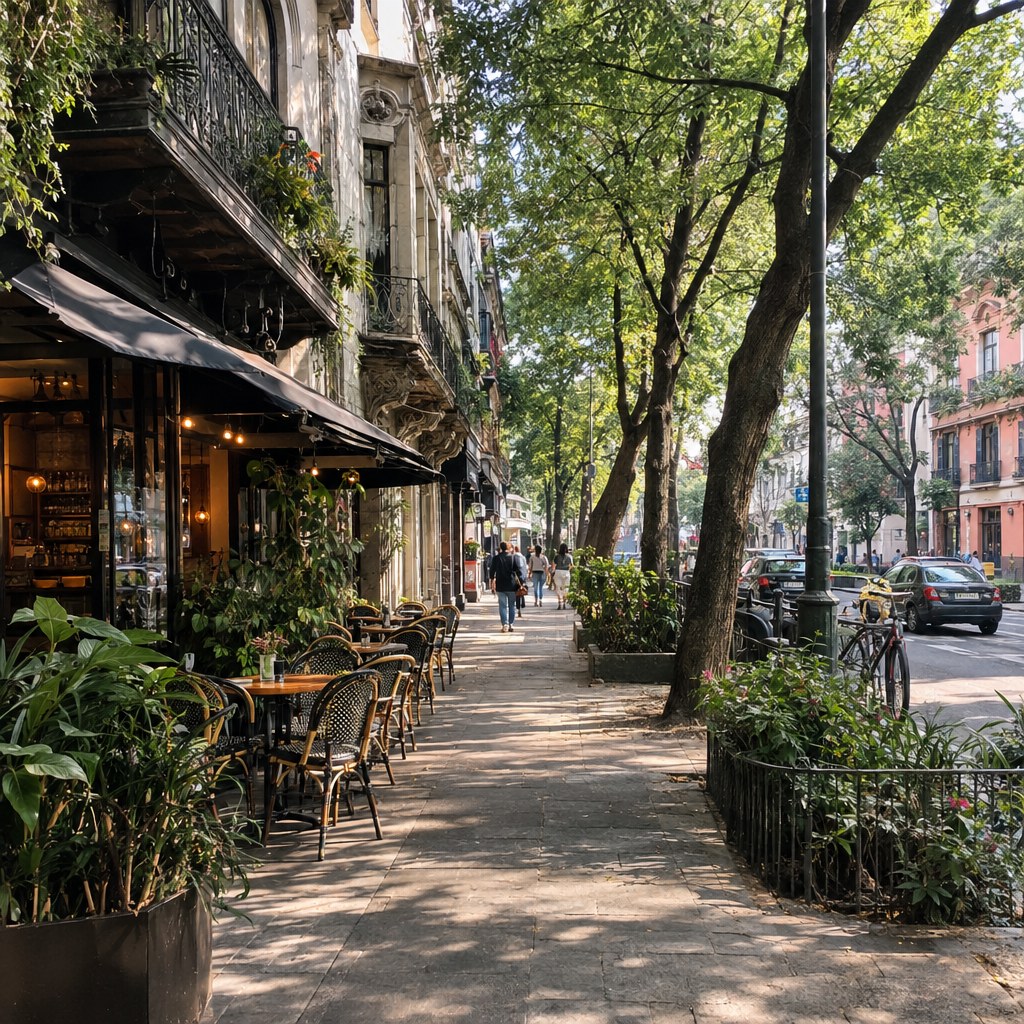
Street-level view of a leafy Mexico City neighborhood with historic architecture and everyday local street life

16alcaldías — the city’s administrative boroughs
1,800+colonias and neighborhood areas across CDMX
55recognized pueblos originarios
21recognized Barrios Mágicos

The Neighborhood Directory

Explore Mexico City neighborhood by neighborhood.

Use this as your table of contents. Each guide opens into a deeper neighborhood page with where to stay, what to eat, museums and culture, shopping, nightlife, practical tips and local stories.

 
Miguel Hidalgo
01

Polanco

Luxury · Museums · Dining
West-Central CDMX

What you’ll find: Luxury hotels, designer shopping, destination restaurants and museum days.

What makes it different: The city’s most polished visitor base, with Chapultepec and major museums close by.

View Neighborhood Guide →

 
Cuauhtémoc
02

Roma Norte

Food · Design · Nightlife
Central CDMX

What you’ll find: Restaurants, coffee, cocktails, galleries, independent shops and street life.

What makes it different: More energetic and restaurant-driven than neighboring Condesa.

View Neighborhood Guide →

 
Cuauhtémoc
03

Condesa

Parks · Cafés · Walking
Central CDMX

What you’ll find: Parque México, Avenida Ámsterdam, Art Deco architecture and relaxed café culture.

What makes it different: Greener and calmer than Roma Norte while still highly walkable.

View Neighborhood Guide →

 
Cuauhtémoc
04

Centro Histórico

History · Museums · Architecture
Historic Center

What you’ll find: The Zócalo, Templo Mayor, Bellas Artes, historic streets and major museums.

What makes it different: The strongest choice for landmark sightseeing and the oldest layers of the city.

View Neighborhood Guide →

 
Cuauhtémoc
05

Juárez

Bars · Reforma · Dining
Central CDMX

What you’ll find: Zona Rosa, cocktails, restaurants, historic mansions and easy access to Reforma.

What makes it different: Urban, central and nightlife-forward, with a more mixed city feel than Roma or Condesa.

View Neighborhood Guide →

 
Coyoacán
06

Coyoacán

Art · Plazas · History
South CDMX

What you’ll find: Casa Azul, markets, old plazas, museums, colorful streets and long lunches.

What makes it different: Feels almost like a historic town inside the capital rather than a central-city district.

View Neighborhood Guide →

 
Álvaro Obregón
07

San Ángel

Art · Gardens · Historic Homes
Southwest CDMX

What you’ll find: Cobblestone streets, Plaza San Jacinto, Saturday art, gardens and historic architecture.

What makes it different: More refined and residential than Coyoacán, with a quieter old-Mexico atmosphere.

View Neighborhood Guide →

 
Álvaro Obregón
08

Chimalistac

Quiet · Historic · Green
Southwest CDMX

What you’ll find: Stone lanes, old bridges, pocket plazas and a slower residential rhythm.

What makes it different: Small, intimate and understated — ideal when you want historic character without crowds.

View Neighborhood Guide →

 
Miguel Hidalgo
09

Anzures

Residential · Dining · Reforma
West-Central CDMX

What you’ll find: Restaurants, quiet residential streets and quick access to Polanco, Reforma and Chapultepec.

What makes it different: A calmer alternative to Polanco that still keeps you close to west-central attractions.

View Neighborhood Guide →

 
Miguel Hidalgo
10

San Miguel Chapultepec

Galleries · Local Life · Park Access
West-Central CDMX

What you’ll find: Independent galleries, cafés, neighborhood restaurants and direct proximity to Chapultepec.

What makes it different: Creative and local-feeling without the density of Roma Norte.

View Neighborhood Guide →

 
Miguel Hidalgo
11

Escandón

Markets · Local Food · Residential
Central-West CDMX

What you’ll find: Neighborhood markets, casual food, everyday services and easy access to Condesa.

What makes it different: More lived-in and less visitor-focused than Condesa or Roma.

View Neighborhood Guide →

 
Benito Juárez
12

Nápoles

WTC · Dining · Residential
Central-South CDMX

What you’ll find: Restaurants, cafés, residential blocks and the World Trade Center corridor.

What makes it different: Practical and polished, especially for business travelers or longer stays.

View Neighborhood Guide →

 
Benito Juárez
13

Del Valle

Parks · Dining · Local Life
Central-South CDMX

What you’ll find: Neighborhood restaurants, parks, bakeries, shopping and an everyday residential rhythm.

What makes it different: One of the easiest places to experience normal day-to-day Mexico City life.

View Neighborhood Guide →

 
Cuauhtémoc
14

Santa María la Ribera

Architecture · Museums · Local Life
North-Central CDMX

What you’ll find: Kiosco Morisco, Museo Universitario del Chopo, historic homes and neighborhood food.

What makes it different: Cultural and architectural depth with far fewer visitors than Roma or Centro.

View Neighborhood Guide →

 
Cuauhtémoc
15

San Rafael

Theater · Architecture · Local Dining
Central CDMX

What you’ll find: Old mansions, theaters, traditional restaurants and streets with strong historic texture.

What makes it different: A rougher-edged, less polished central neighborhood with real local character.

View Neighborhood Guide →

 
Cuajimalpa / Álvaro Obregón
16

Santa Fe

Modern · Shopping · Business
West CDMX

What you’ll find: Skyscrapers, luxury hotels, malls, restaurants and Parque La Mexicana.

What makes it different: The city’s modern high-rise business district — very different from historic central CDMX.

View Neighborhood Guide →

 
Tlalpan
17

Tlalpan Centro

Plazas · History · Local Life
South CDMX

What you’ll find: Traditional plazas, historic streets, local restaurants and a slower southern-city pace.

What makes it different: Feels removed from the central visitor circuit and rewards travelers who want neighborhood life.

View Neighborhood Guide →

 
Xochimilco
18

Xochimilco

Canals · Markets · Traditions
South CDMX

What you’ll find: Trajineras, canals, markets, flowers, pueblos and the surviving chinampa landscape.

What makes it different: A living connection to the Valley of Mexico’s pre-Hispanic water and agricultural heritage.

View Neighborhood Guide →

Choose By Experience

Which neighborhood fits the way you want to experience the city?

A first-time visitor, a food-focused weekend and a longer local-style stay can all point to completely different parts of Mexico City. Start with what matters most to you.

Luxury + Design

Polanco first. Then Anzures and Santa Fe.

Choose Polanco for luxury hotels, Masaryk shopping, fine dining and museums. Anzures is quieter and more residential; Santa Fe is the city’s modern high-rise option.

Explore Polanco →

Food + Nightlife

Roma Norte, Juárez and Condesa.

Roma Norte has the densest mix of new restaurants and cocktail bars. Juárez feels more urban and nightlife-heavy. Condesa balances restaurants with parks and a calmer evening rhythm.

Explore Roma Norte →

Culture + Museums

Centro, Polanco/Chapultepec, Coyoacán and San Ángel.

Centro puts historic collections and archaeological sites together. Polanco and Chapultepec cluster major national museums. Coyoacán and San Ángel bring art into historic homes and neighborhood streets.

Explore Centro Histórico →

Parks + Walking

Condesa, Roma Norte and San Miguel Chapultepec.

Condesa gives you the easiest park-to-café walking day. Roma adds shopping and food; San Miguel Chapultepec keeps you close to the forest with fewer visitors.

Explore Condesa →

Local Life

Del Valle, Escandón, Nápoles and Santa María la Ribera.

These areas are better for seeing daily routines: neighborhood bakeries, markets, parks, local restaurants and residential streets rather than an attraction every block.

Explore Del Valle →

Historic CDMX

Centro Histórico, Coyoacán, San Ángel and Tlalpan Centro.

Centro is monumental and dense. Coyoacán is colorful and cultural. San Ángel is refined and residential. Tlalpan Centro feels much farther from the visitor circuit.

Explore Coyoacán →

Modern CDMX

Santa Fe, Polanco and the Reforma corridor.

Santa Fe is the clearest high-rise version of contemporary Mexico City. Polanco mixes modern luxury with established residential streets, while Reforma connects the city’s business and cultural core.

Explore Santa Fe →

Culture + Museums By Area

Where culture becomes part of the neighborhood.

In Mexico City, museums are often part of a larger neighborhood day. Choose the area first, then build the museums, architecture, cafés and street life around it.

Centro Histórico

Templo Mayor, Palacio de Bellas Artes, Museo Nacional de Arte and centuries of architecture within a dense walkable core.

Polanco + Chapultepec

Museo Nacional de Antropología, Museo Tamayo, Museo Soumaya, Museo Jumex and one of the city’s strongest museum clusters.

Coyoacán

Frida Kahlo’s Casa Azul, museums, markets, historic plazas and a neighborhood culture that extends well beyond one attraction.

San Ángel

Museo Casa Estudio Diego Rivera y Frida Kahlo, Museo de El Carmen, art markets and historic residential architecture.

Santa María la Ribera

Kiosco Morisco, Museo Universitario del Chopo, Museo de Geología and historic streets with a distinctly local feel.

Understanding The Map

Neighborhood, colonia or alcaldía?

Mexico City’s geography makes more sense once you know the three terms you will see most often.

The Big Division

Alcaldía

One of the city’s 16 large administrative boroughs. Miguel Hidalgo, Cuauhtémoc, Coyoacán and Benito Juárez are examples.

Where Daily Life Happens

Colonia

The smaller area people usually mean when they talk about neighborhoods: Roma Norte, Condesa, Polanco, Juárez, Nápoles and Del Valle.

Historic Identity

Barrio + Pueblo

Older identities that can predate the modern administrative map. They remain central to the history and culture of many communities.

The Larger City

The 16 alcaldías of Mexico City.

Think of the alcaldías as the broad map. The neighborhoods in this guide sit inside them.

Álvaro ObregónSan Ángel · Chimalistac · western residential districts
AzcapotzalcoHistoric center · Tezozómoc · northwestern CDMX
Benito JuárezDel Valle · Nápoles · Narvarte · Xoco · Mixcoac
CoyoacánCoyoacán historic center · university district · southern culture
Cuajimalpa de MorelosSanta Fe · mountain communities · Desierto de los Leones
CuauhtémocRoma · Condesa · Juárez · Centro Histórico · San Rafael
Gustavo A. MaderoBasílica de Guadalupe · Tepeyac · Aragón
IztacalcoHistoric Iztacalco · sports and entertainment venues
IztapalapaCerro de la Estrella · historic communities · eastern CDMX
La Magdalena ContrerasLos Dinamos · Río Magdalena · mountain landscapes
Miguel HidalgoPolanco · Chapultepec · Anzures · Lomas · Tacubaya
Milpa AltaPueblos originarios · agriculture · mole traditions
TláhuacMixquic · chinampa landscapes · traditional communities
TlalpanTlalpan Centro · Ajusco · Cuicuilco · southern forests
Venustiano CarranzaLa Merced · Jamaica · eastern markets
XochimilcoCanals · pueblos · historic barrios · chinampas

Short Stay Planner

If you only have a day or two, start here.

Mexico City is too large to see by crossing back and forth all day. Group neighborhoods together and let each area become part of the experience.

One Day

Centro + Roma/Condesa

Use the morning for the historic center, then move west for food, cafés, parks and an evening in Roma Norte or Condesa.

Two Days

Add Polanco + Chapultepec

Spend the second day around Chapultepec’s museums, Polanco dining and the western side of the city.

Three Days+

Go south or deeper local.

Add Coyoacán and San Ángel, or use the extra time for Santa María la Ribera, Del Valle, Xochimilco or another area beyond the usual circuit.

Neighborhood FAQ

Mexico City neighborhood questions.

What is the difference between an alcaldía and a colonia?

An alcaldía is one of the city’s 16 large administrative boroughs. A colonia is a much smaller neighborhood within an alcaldía. Polanco is in Miguel Hidalgo; Roma Norte and Condesa are in Cuauhtémoc.

Which neighborhoods are easiest for a first-time visitor?

Roma Norte and Condesa work well for walking, dining and café culture. Polanco is strong for luxury and museums, while Centro Histórico is the most direct base for major historic sights.

Which area is strongest for museums?

The Chapultepec and Polanco area has one of the city’s largest concentrations of major museums. Centro Histórico, Coyoacán, San Ángel and Santa María la Ribera are also excellent culture-focused areas.

Are Roma Norte and Condesa the same?

No. They sit next to each other and are easy to combine, but Roma Norte is generally busier and more restaurant- and nightlife-driven, while Condesa is greener and more park-centered.

Where should I go for a more local Mexico City experience?

Del Valle, Escandón, Santa María la Ribera, Nápoles and San Rafael are useful starting points if you want neighborhood restaurants, markets, parks and residential life rather than a purely visitor-focused base.

Which neighborhoods feel most historic?

Centro Histórico is the monumental historic core. Coyoacán, San Ángel, Chimalistac and Tlalpan Centro offer smaller-scale streets, plazas and architecture with very different local identities.

Should I choose one neighborhood as a base and visit the others?

Usually, yes. Pick a base that fits how you want your mornings and evenings to feel, then explore other neighborhoods in geographic clusters during the day.

From The Neighborhoods

Local stories, guides & neighborhood finds.

Go deeper with the latest restaurant openings, culture, local guides, walks, shopping, interviews and stories from across Mexico City.