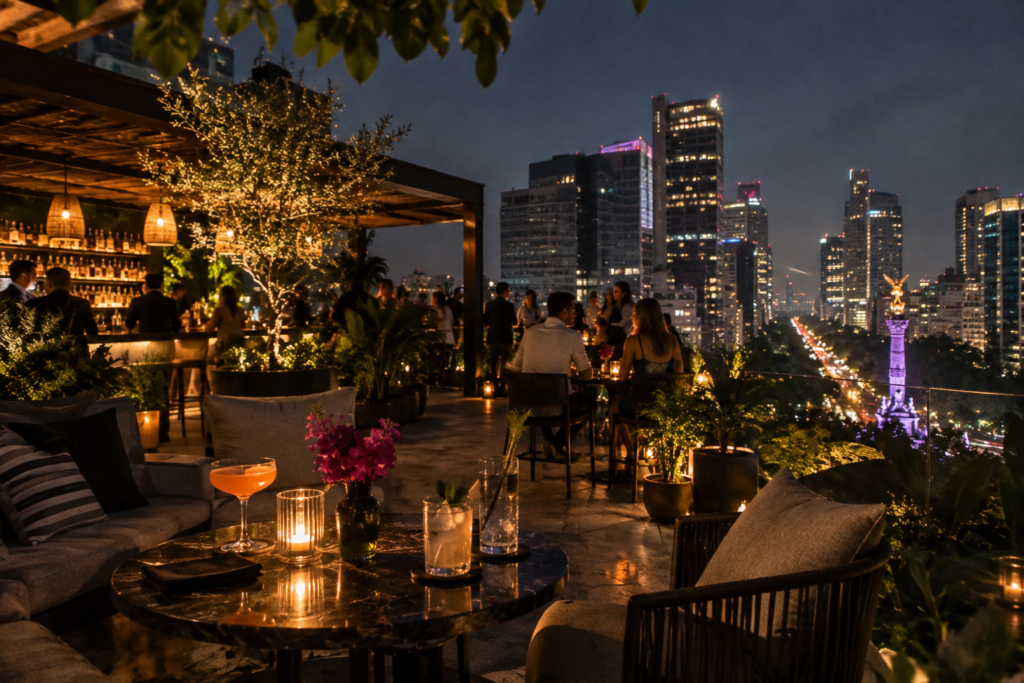
Where to Go Out in Mexico City: Best Bars, Rooftops & Nightlife Neighborhoods
A practical Mexico City nightlife guide to Roma Norte, Juárez, Condesa, Reforma and Polanco, with current bars, rooftops, addresses, hours and easy night-out plans.

Where to stay, how to get around, what to book, which neighborhoods fit your trip, what the weather feels like and how to plan Mexico City without wasting half your visit in traffic.
Start with three decisions: where you want to stay, how many days you have and which parts of the city you most want to experience. Mexico City is large, so the easiest way to plan is by neighborhood rather than by making a long list of attractions scattered across the map.
For many first-time visitors, Roma Norte, Condesa, Polanco and Centro Histórico are useful bases because they put restaurants, museums, parks and major sights within easier reach. Plan airport transportation before arrival, check the weather, and group each day geographically so you spend more time in the city and less time crossing it.
Use these guides in order if this is your first trip. They answer the practical questions that usually affect the rest of the itinerary.
A fast overview for travelers deciding how long to stay, where to base themselves and how to structure the trip.
| Decision | Good first choice | Why it works |
|---|---|---|
| Trip length | 4–5 days | Enough time for major sights plus deeper neighborhood time without rushing every day. |
| First-time base | Roma / Condesa / Polanco / Centro | Each gives a different balance of restaurants, museums, nightlife, parks and historic sights. |
| Airport transfer | Pre-plan before landing | You arrive knowing how you are getting to the hotel instead of solving it after baggage claim. |
| Daily planning | Group by neighborhood | Mexico City traffic can turn a poor route into hours of unnecessary transit. |
| Reservations | Book high-demand dining and ticketed events | Popular restaurants, concerts and special exhibitions can sell out. |
| Weather | Check again just before travel | Morning sun, afternoon rain and cooler evenings can all happen in the same trip. |
A practical Mexico City nightlife guide to Roma Norte, Juárez, Condesa, Reforma and Polanco, with current bars, rooftops, addresses, hours and easy night-out plans.
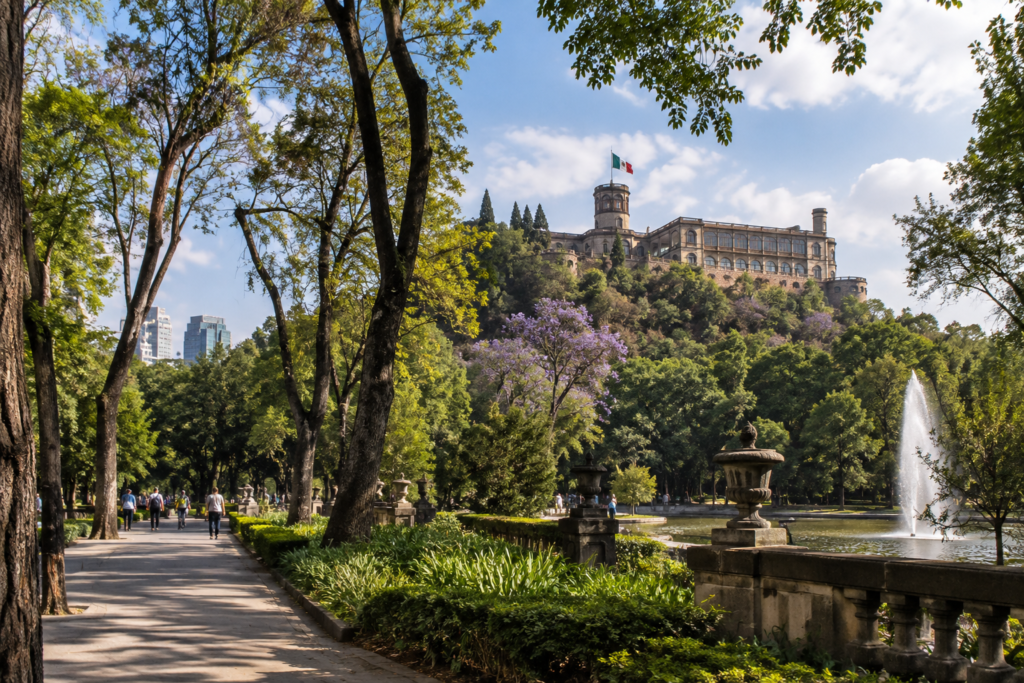
Compare five standout luxury hotels in Polanco and Reforma with addresses, official links and advice on choosing the right neighborhood.
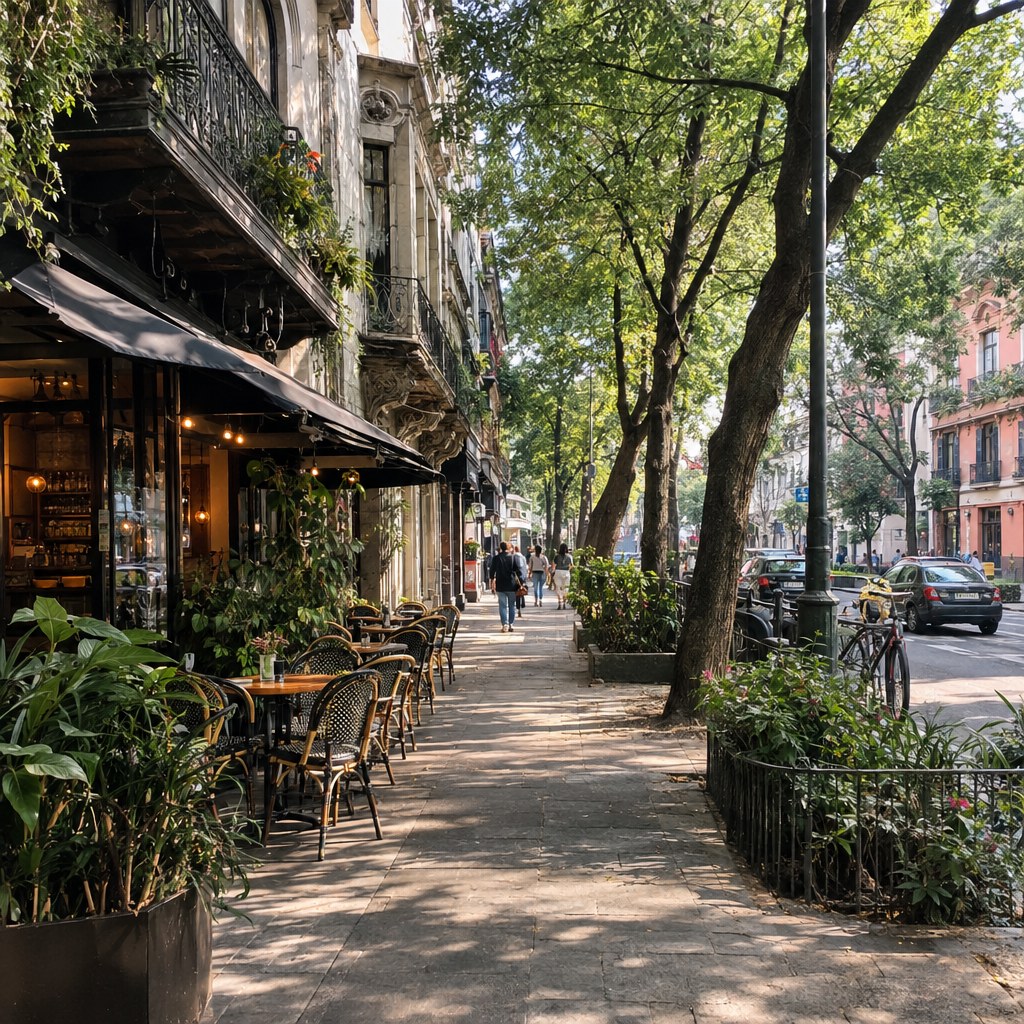
A practical first-time Mexico City guide covering neighborhoods, MEX vs AIFA, transportation, museum closures, reservations and itinerary planning.
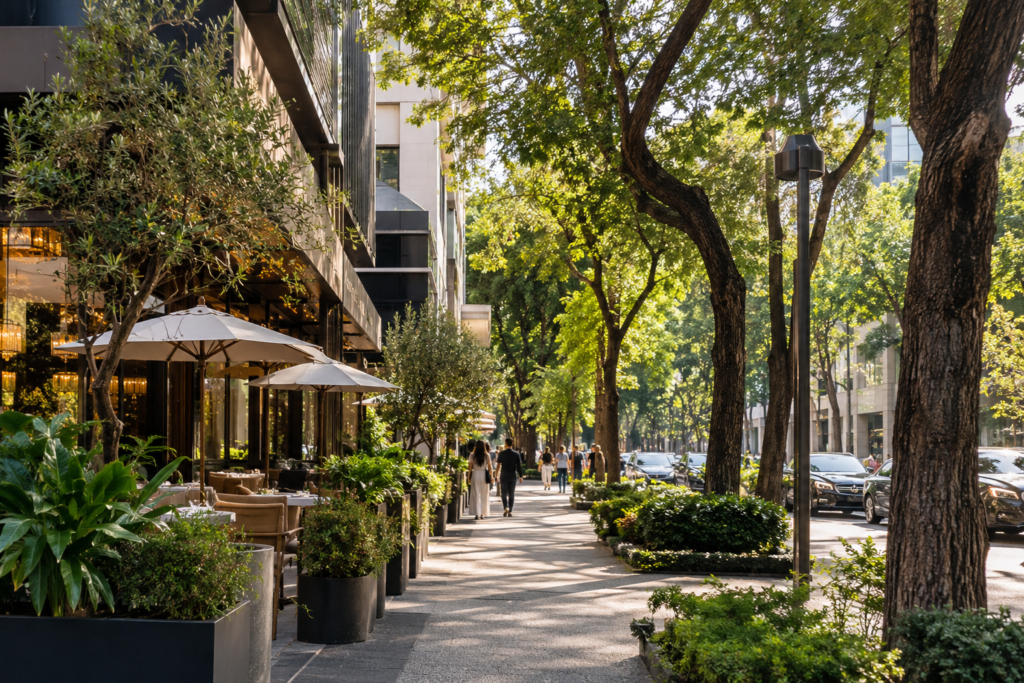
Compare Polanco, Roma Norte, Condesa and Centro Histórico with practical pros, tradeoffs and advice for choosing the right Mexico City neighborhood.
A real Polanco guide with a one-day plan, restaurants, museums, shopping, hotels, addresses and official visitor links.
The right base depends on the kind of trip you want. A great hotel in the wrong part of the city can make every day harder.
Strong for food, cafés, nightlife and travelers who want to spend a lot of time on foot.
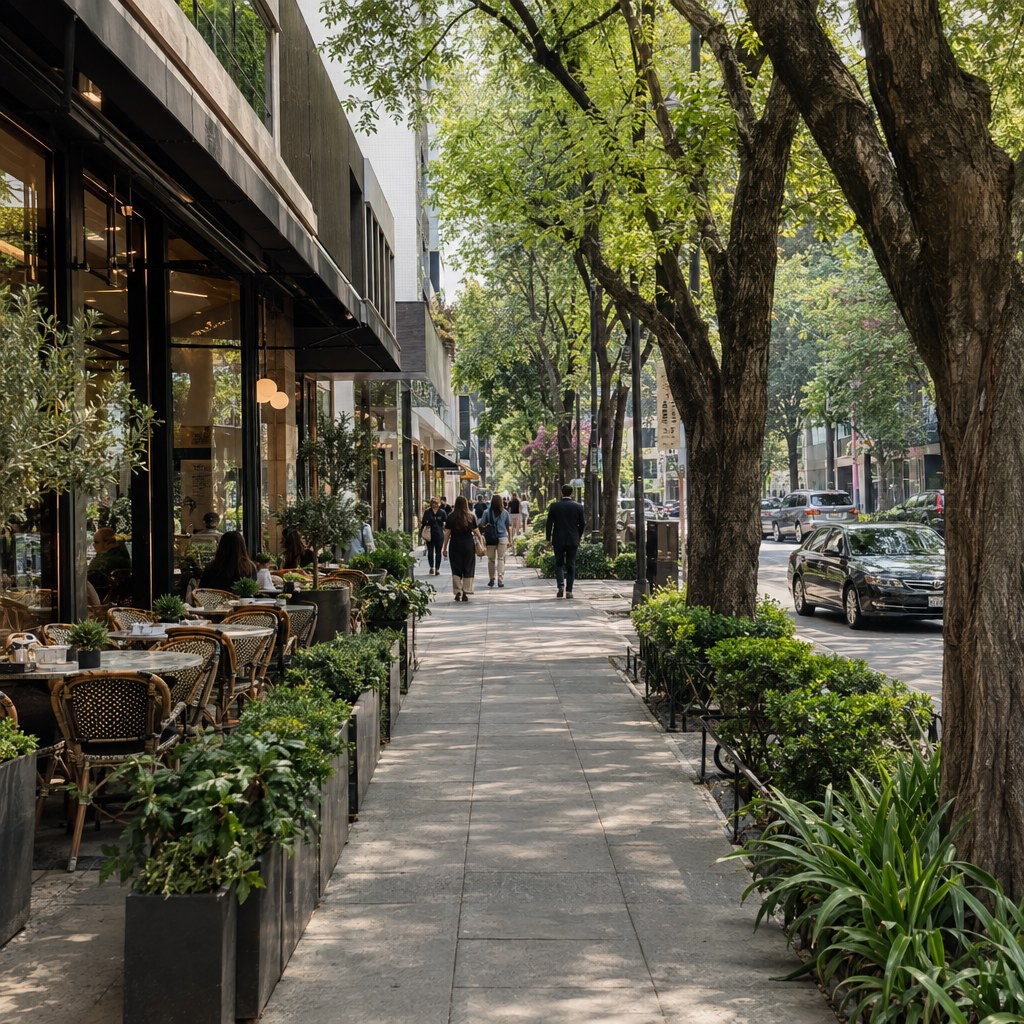
Leafy streets, cafés, Parque México and Parque España make this easy for relaxed days.
Useful for upscale stays, shopping, dining and easy access to Chapultepec.
Best if your priorities include the Zócalo, cathedral, architecture and historic museums.
A different pace from the central visitor corridor, with plazas, culture and neighborhood atmosphere.
Convenient for Reforma, Zona Rosa and moving between Roma, Centro and Chapultepec.
Need a deeper comparison? Read our full Where to Stay in Mexico City guide or browse Hotels.
Mexico City has an extensive public transit network, rideshare, taxis and walkable neighborhoods, but distance and traffic matter. Build each day around one part of the city whenever possible.
Confirm which airport your flight uses, how you plan to reach your hotel and where your driver or authorized transportation pickup will be. Do not assume every Mexico City flight uses the same airport.
AICM is the long-established airport inside Mexico City. Terminal, airline and transportation details should be reconfirmed close to travel.
AIFA serves part of the metro area from farther north. Ground-transfer time and logistics are different, so check your exact airport before booking transportation.
Reconfirm airport, terminal, hotel address, arrival time and ground transportation. If you are meeting a driver, keep the pickup instructions accessible offline.
Conditions can shift between a cool morning, strong midday sun, afternoon rain and a cooler evening. Check the live forecast before packing and again before long outdoor days.
A light layer can be useful, especially after rain or in cooler months.
Water, sunglasses and sun protection are worth carrying even when temperatures feel mild.
Leave some flexibility in museum, park and walking itineraries.
Mexico City works best when each day has a theme and a geographic center rather than a rushed attempt to “see everything.”
This is not a rigid schedule. It is a way to keep nearby experiences together so each day feels coherent and you are not constantly crossing the city.
Start with the historic core, architecture, major landmarks and museums. Add dinner nearby or move toward Juárez/Reforma afterward.
Use the day for the park, major museums and a Polanco meal or hotel bar. Keep the itinerary concentrated around Chapultepec.
Walk, eat, browse and leave room for parks and cafés. This is a good day to avoid over-scheduling.
Plan a slower southern-city day around Coyoacán, nearby culture and green space.
Use this for a major exhibition, food-focused day, event, shopping, architecture, Xochimilco or another special-interest plan.
Not every plan needs a reservation, but a few high-demand items can determine where you need to be and when.
Mexico City is rewarding but large. A little preparation removes most of the friction visitors feel on the first day.
Plan by area rather than attraction ranking. It reduces transit time and creates more room for spontaneous stops.
Take the first day a little easier if you notice that stairs, long walks or exercise feel more demanding than usual.
Museums, cafés and indoor culture make easy substitutes when outdoor plans get interrupted.
Opening days, event times, transportation and weather can change. Check official sources close to your visit.
Concise answers to common first-trip questions.
Three days can cover major highlights, but four or five days usually gives a better first-trip pace with more neighborhood depth. Add more time if you want day trips or extensive museum visits.
There is no single best area. Roma Norte and Condesa are strong for walkability and dining, Polanco for upscale hotels and Chapultepec access, and Centro Histórico for major historic sights. Choose based on the trip you want.
Many visitors do not. Public transit, rideshare, taxis and walking can cover most central visitor areas. Driving also means dealing with traffic, parking and local vehicle restrictions.
Many individual neighborhoods are very walkable, but the city as a whole is too large to treat as one continuous walking destination. Combine walking with transit or rideshare between areas.
Book your hotel, any critical airport transportation, high-demand restaurants and ticketed events or exhibitions that matter most to your trip.
Recheck your airport and terminal, hotel transportation plan, weather, restaurant reservations, event tickets and any museum or attraction closures relevant to your dates.
It can be an excellent choice for travelers who enjoy food, museums, architecture, neighborhoods and large-city energy. Planning by area makes the city much easier to navigate.
Trying to cross the city repeatedly in one day. Group attractions, meals and experiences by neighborhood whenever possible.
We prioritize practical neighborhood context, transportation guidance, current internal guides and primary official sources for time-sensitive details. Always reconfirm airport, transit, weather and event information close to travel.